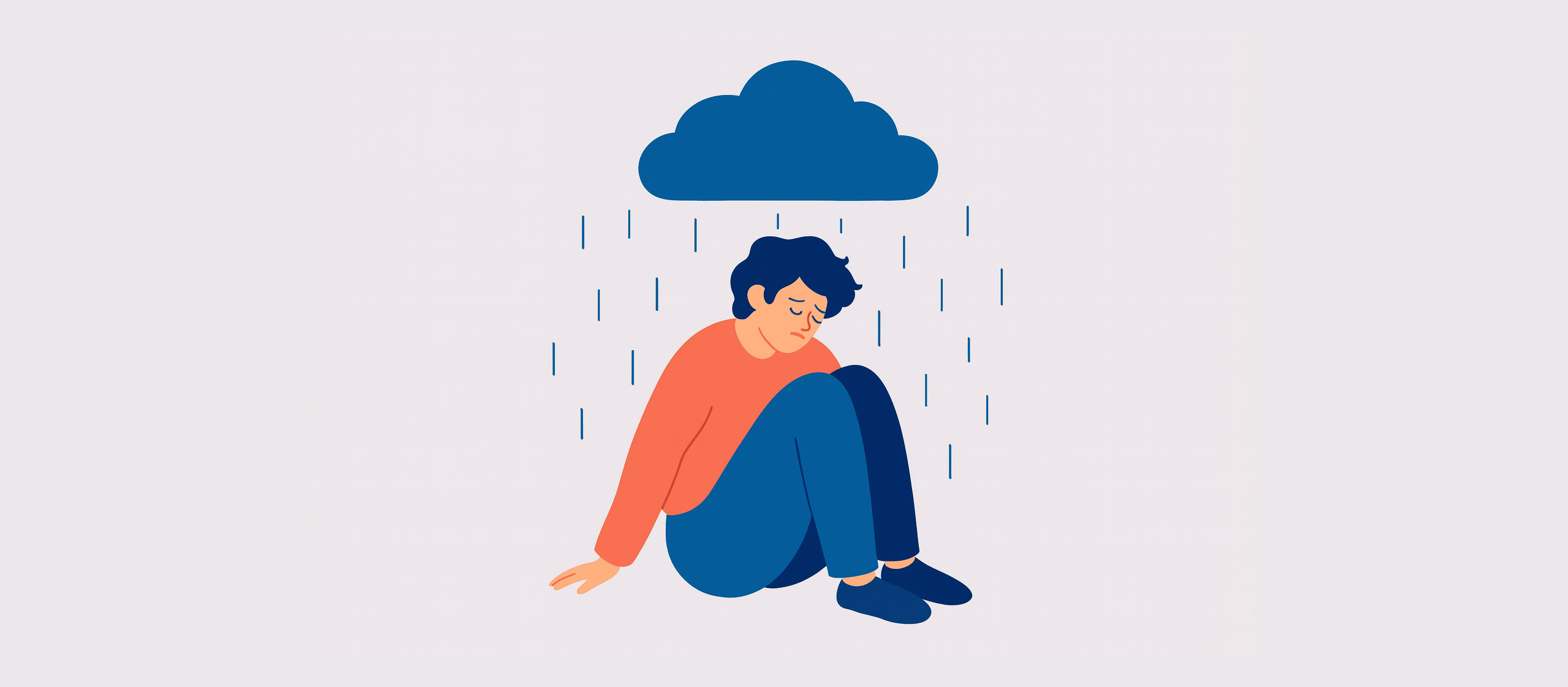
Review: Risk and Causative Factors of Psychological Harm Among Construction Workers


Executive summary
The construction industry has long had a reputation as a hazardous place for physical harm, but more recently attention has focused on the psychological toll on workers. This summary compiles decades of evidence to establish the causes and risks of mental harm to construction workers.
The proof is clear: besides the obvious dangers of the job, many subtle pressures contribute to excessive levels of anxiety, depression, substance misuse, and suicide. These issues are not alone but are connected to the demanding nature of the work, insecure work conditions, and cultural aspects that make it difficult for employees to seek help.
From this review, there is no doubt that psychological risks in construction are as real and as consequential as physical threats.
The pressures behind the numbers
Job insecurity. A substantial amount of the work is project-based or contract-based, in which employees may not be confident about long-term security. Such uncertainty gives rise to chronic stress and constant worry about revenues and the lack of new opportunities.
Long hours and fatigue. Construction generally involves very lengthy hours and non-traditional schedules. Work is often demanding to meet tight deadlines, and workers fight through difficult physical labor with little time for recovery - a never-ending cycle of fatigue and stress that undermines psychological as well as physical well-being.
Work-life imbalance. With long hours and overloaded schedules, workers may have little energy remaining for family, relationships, or personal care. Over time, this imbalance breeds isolation, resentment, and mental strain.
Dangerous conditions. Even if physically uninjured, the constant potential for injury heightens tension and stress. For the injured, pain and rehabilitation can generate distress, irritation, and psychiatric disorder.
Social and cultural factors. The report classifies a “macho” culture in construction that dissuades people from openly talking about their mental well-being. Workers fear being stigmatized or characterized as weak if they admit they cannot cope, and this stigma deters them from seeking help. With no encouragement or access to resources, some resort to alcohol or drug use as a way to cope - which ultimately worsens mental illness and can lead to accidents and even death.
Suicide. Construction workers have one of the highest suicide rates of all occupations. Studies blame multiple stresses, drug use, insecure employment, and untreated mental illness. Migrant workers are exposed at an even higher rate - facing isolation from families, language barriers, and close living quarters. Age also comes into play, with older workers having less control over their jobs, lower job satisfaction, and more mental stress.
What the industry must do
The evidence shows that the mental health crisis among construction workers is the result of a wide range of individual, job, and cultural factors. While peer support is helpful, it is not enough on its own. The report calls for more active workplace policy, greater awareness, and professional systems of support: counseling services, alcohol and drug abuse programs, and stress management programs. Encouraging mindfulness and resilience training can also be useful. Above all, the industry must strive to reduce stigma and promote open conversation about mental health so that employees feel safe to seek assistance.
By understanding and addressing the root causes and offering proper support, the construction industry can strive to build a future where the mental health of workers is protected with an equal degree of concern and urgency as their physical health.